
The Art of Pairing Traditional Vietnamese Sauce with Meals
Vietnamese cuisine is celebrated for its vibrant flavors and balance, and at the heart of it lies the artful use of traditional sauce. These sauces not only enhance the taste of the dishes but also reflect the country’s rich culinary heritage. In this blog, we’ll explore the various traditional Vietnamese sauces and how to pair them perfectly with different meals, creating delicious harmony on your plate.
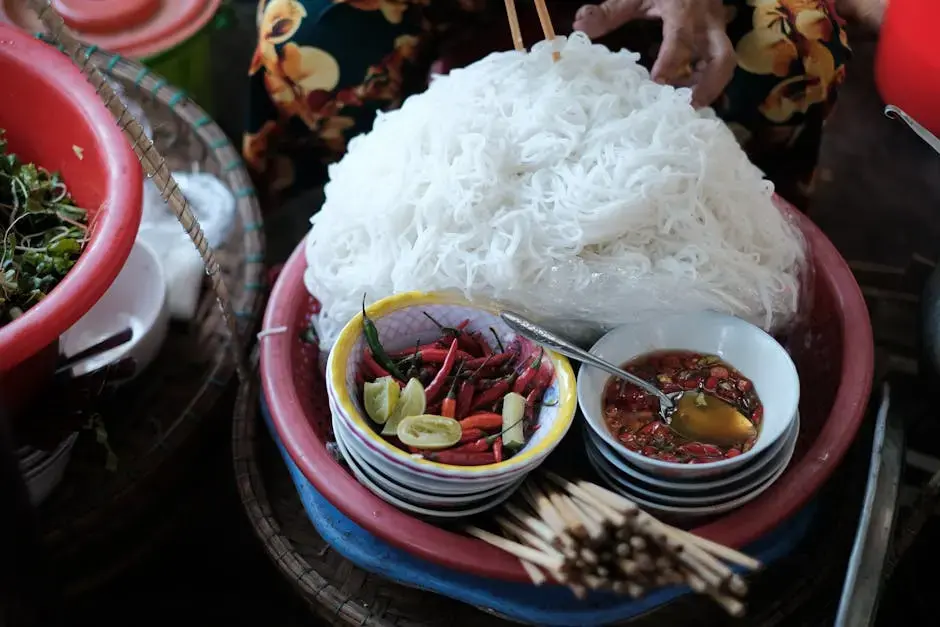
Understanding Traditional Vietnamese Sauces
To appreciate the art of pairing sauces, it’s essential to understand the foundational flavors of Vietnamese sauces. From sweet to savory, and spicy to tangy, each sauce brings its unique profile to the table.
At the core of many Vietnamese dishes is fish sauce, known as nuoc mam. This salty, umami-packed liquid is produced from fermented fish and is a flavor bomb that enhances everything from marinades to stir-fries. Every cook in Vietnam has their preferred brand, often passed down through generations, making it a personal and cultural cornerstone of the cuisine.
Accompanying nuoc mam are sauces like hoisin and soy, each adding another layer of flavor. Hoisin, with its hint of sweetness and thick, syrupy texture, pairs beautifully with roasted meats, while soy sauce adds depth to stir-fried or grilled dishes. Understanding these nuances allows you to craft meals that not only taste good but also celebrate Vietnamese traditions.
Popular Vietnamese Sauces and Their Characteristics
Explore the most popular traditional Vietnamese sauces, such as nuoc mam, hoisin, and peanut sauce. We’ll discuss their ingredients, flavor profiles, and what makes them so special in Vietnamese cuisine.
Starting with nuoc cham, a cousin of nuoc mam, this dipping sauce combines fish sauce, lime juice, sugar, and chili. It strikes a perfect balance between sweet, salty, and sour, making it a refreshing companion for spring rolls and grilled chicken. The versatility of nuoc cham lies in its adaptation; some might add garlic for extra punch, while others prefer a spicy twist.
Moving on, we encounter the rich and nutty peanut sauce, often enjoyed with fresh salad rolls. Made from ground peanuts, sugar, and coconut milk, this sauce offers a creamy texture and delightful sweetness that complements the crispness of vegetables. The indulgent nature of peanut sauce turns a simple dish into a gourmet experience, perfect for impressing guests.
Lastly, one cannot overlook tamari, a gluten-free soy sauce that adds an umami punch to vegan dishes. It’s lesser-known but significant, especially among those with dietary restrictions. Tamari enriches flavors without overpowering, making it a valuable addition to the traditional Vietnamese sauce repertoire.
Pairing Sauces with Different Proteins
Different sauces complement various proteins in distinct ways. Learn how to match hoisin with grilled meats, nuoc cham with seafood, and more to enhance your foodie experience.
Hoisin sauce, with its sweet and tangy flavor, is perfect with grilled pork or beef. Imagine the succulent aroma of marinated meat sizzling on a barbecue, paired with a dollop of hoisin sauce drizzled over the top. This combination not only enhances the tasting experience but also creates a dish that looks just as appetizing.
On the other hand, nuoc cham shines when paired with seafood like shrimp or fish. The acidity from the lime juice cuts through the richness of the seafood, elevating the meal to new heights. Whether grilled, steamed, or seared, dipping your seafood in nuoc cham is an experience that dances on the taste buds.
For those venturing into chicken dishes, a sweet and spicy glaze made from hoisin and chili paste can transform simple grilled chicken into a star attraction. This dynamic duo infuses every bite with a delightful balance, sure to impress everyone at the dinner table.
Vegetarian and Vegan Pairings with Vietnamese Sauces
For those who prefer plant-based meals, discover how traditional sauces can elevate vegetarian and vegan dishes, with suggestions for delicious pairings.
When it comes to vegetarian stir-fries, adding a splash of soy sauce or tamari can elevate the flavors of fresh vegetables. These sauces create a savory base that not only enhances the dish but encourages an explosion of flavors with each bite. Pairing sautéed mushrooms with tamari can give an almost meaty texture to a vegetarian dish, making it hearty and satisfying.
Additionally, the versatility of peanut sauce in salads and noodle dishes cannot be overstated. A drizzle of creamy peanut sauce over steamed vegetables or rice noodles can turn a simple meal into something luxurious. The nutty flavor combined with a squeeze of lime and a sprinkle of crushed peanuts creates an explosion of taste and texture.
For a lighter option, consider using nuoc cham as a zesty dressing over roasted vegetables or grain bowls. The bright flavors cut through richness while adding a touch of zest that leaves you craving more. It’s a guilt-free way to spice up your meals while keeping them vibrant and healthy.
Creative Uses for Vietnamese Sauces Beyond Dipping
Traditional Vietnamese sauces aren’t just for dipping; they can be integrated into many recipes. Find out unique ways to use these sauces beyond their conventional use.
Consider using hoisin sauce as a base for marinades instead of just a dip. Mixing this sweet and savory sauce with garlic, ginger, and a bit of sesame oil can create an incredible marinade for tofu or tempeh, giving your dish layers of depth and flavor.
Moreover, nuoc mam can be a surprising addition to soups and stews. Just a splash can enhance the umami flavor of a vegetable soup, providing that much-needed depth of taste. This unexpected twist can make a simple broth sing with a complexity that delights the palate.
Lastly, bring traditional sauces to your breakfast table! A drizzle of fish sauce in a scramble enhances the flavor of your eggs, transforming a typical breakfast into something exciting and refreshingly new. It’s these little surprises that make cooking with traditional sauces such an adventurous experience.
Tips for Balancing Flavors in Vietnamese Cooking
Learn the principles of balancing the sweet, salty, sour, and spicy elements in your dishes. This knowledge will help you master the art of pairing sauces with various meals.
The key to achieving balance is understanding each ingredient's flavor profile. For example, if a dish is predominantly salty from the fish sauce, consider adding a touch of sugar or lime juice to counteract that saltiness. This interaction brings a harmony to your meal, allowing each element to shine without overpowering the others.
Experimenting with the proportions of sauces can yield remarkable results. Create a blend of hoisin and sriracha for an exciting dipping sauce that combines sweetness and heat, perfect for fresh rolls. This creativity allows you to adjust the flavors to your taste, highlighting the versatility found within traditional Vietnamese sauces.
Reviewing classic recipes can also provide insight. When learning how to balance flavors, it’s helpful to follow seasoned chefs' advice on combining sauces with specific ingredients. This not only aids in developing your cooking style but also builds confidence in creating your interpretations of traditional dishes.
Bringing It All Together: Elevate Your Meals with Vietnamese Sauces
Mastering the art of pairing traditional Vietnamese sauce with meals opens up a world of flavors and culinary creativity. Whether you opt for the tangy hoisin, the zesty nuoc cham, or the rich peanut sauce, each pairing has the potential to elevate your dining experience. So, next time you prepare a meal, think about how these sauces can enhance your dish and bring a taste of Vietnam to your table.


Comments